The Manuscript in the Wreckage

Reading The Stranger

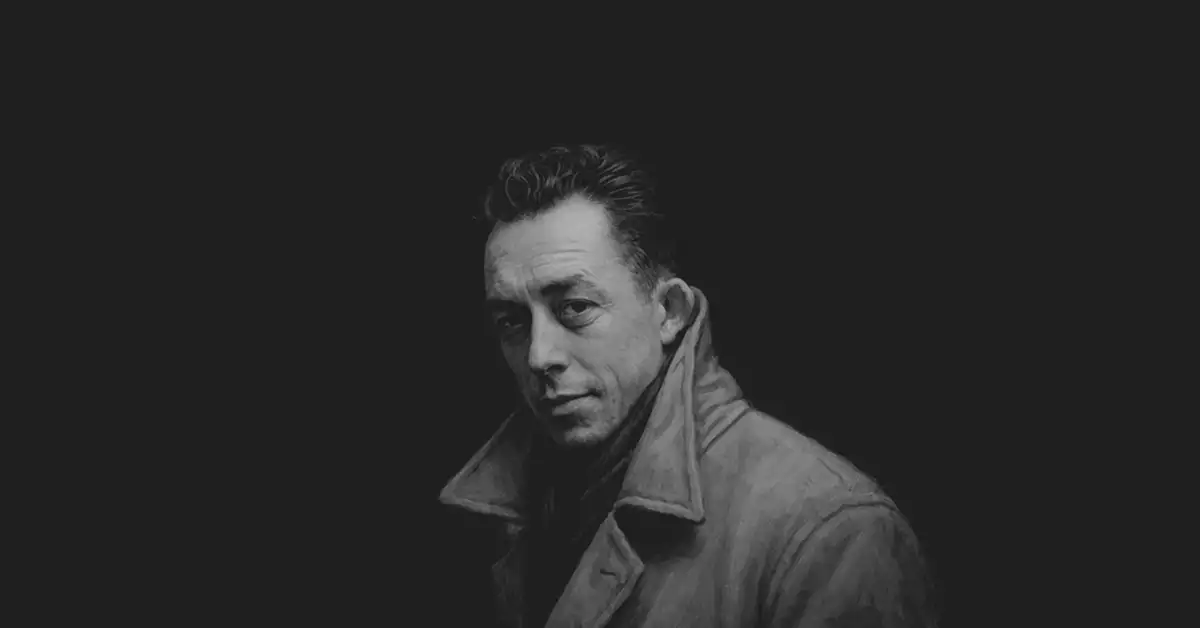
On January 4, 1960, Albert Camus was killed in a car accident on a road near the village of Villeblevin, in the Yonne department of northern France. He was forty-six. He had recently turned down an offer to take the train — his return ticket was in his pocket.

The Grip

Reading The Stranger

Meursault grabs the prison chaplain by the collar.

This is the only moment in The Stranger where Meursault initiates physical contact with someone who has not invited it. Throughout the novel’s first part, he touches people who touch him first — Marie, whose body he holds when she holds his, whose hand he takes when she offers it. He does not reach.

What Marie Wanted

Reading The Stranger

Meursault sees Marie’s body with remarkable precision. He notices the dress and what it reveals, the tan line on her skin, the way she moves in the water, the specific quality of her laugh. He is an attentive observer of her physical presence — more attentive to her than he is to almost anything in the novel that is not sensory and immediate.

Camus Never Said “Absurdist Hero”

Reading The Stranger

In 1943, Jean-Paul Sartre published a review of The Stranger that is, by any measure, an act of extraordinary literary intelligence. Writing in occupied Paris, under conditions that made philosophical subtlety feel both urgent and slightly surreal, Sartre identified the novel’s formal achievement — the way its style enacts its content, the way Meursault’s flat declarative sentences perform his relationship to meaning — with a precision that remains, eighty years later, largely correct. He called Meursault the absurd man, situating the novel within the philosophical project Camus was simultaneously developing in The Myth of Sisyphus.

Kim Jeong-hui: The Complete Poems, Volume 10, Part 2 — The Star Master’s Thousand-Year Leisured Land

Kim Jeong-hui

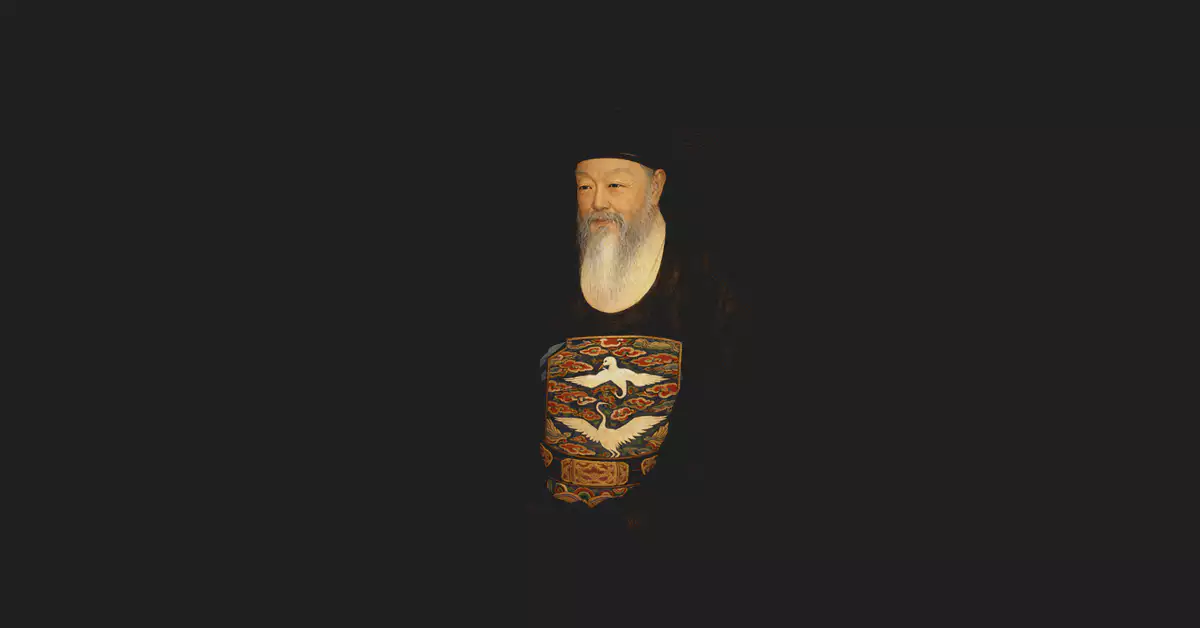
Kim Jeong-hui(金正喜) Poems 19–36 from the Wandang Jeonjip, Volume 10 This is Part 2 of the complete English translation of Kim Jeong-hui’s poems from the Wandang Jeonjip, Volume 10; it covers entries 19 through 36, which close the Danyang topographic sequence and move through a wide arc of social and occasional verse before arriving at … Read more

Kim Jeong-hui: The Complete Poems, Volume 10, Part 1 — Like Reading a Painting: The Danyang Views

Kim Jeong-hui

Kim Jeong-hui(金正喜) Poems 1–18 from the Wandang Jeonjip, Volume 10 This is Part 1 of the complete English translation of Kim Jeong-hui’s poems from the Wandang Jeonjip, Volume 10; it covers entries 1 through 18, which open the volume with a single flower poem followed by a sustained topographic sequence at the scenic area of … Read more

Kim Jeong-hui: The Complete Poems — Volume 10 Introduction: From Seoul to Jeju

Kim Jeong-hui

Kim Jeong-hui(金正喜) This introduction to Volume 10 of the complete English translation of Kim Jeong-hui’s poems from the Wandang Jeonjip covers the volume’s structure, the Jeju exile period, how exile poems are identified, and what distinguishes Volume 10’s literary character from Volume 9. The Shape of the Volume Volume 10 of the Wandang Jeonjip contains … Read more

Kim Jeong-hui: The Complete Poems, Volume 9, Part 8 — Sixteen Panels for Oh Nanseol and the Close of Volume Nine

Kim Jeong-hui

Kim Jeong-hui(金正喜) Poems 131–152 from the Wandang Jeonjip, Volume 9 This is Part 8, the final installment of the complete English translation of Kim Jeong-hui’s poems from the Wandang Jeonjip, Volume 9; it covers entries 131 through 152. The Volume’s Last Gathering Volume 9 ends in a formal contraction. The heptasyllabic regulated verse that dominated … Read more

Kim Jeong-hui: The Complete Poems, Volume 9, Part 7 — Autumn Meditations, Snow at Jimen, and the Volume’s Last Exile Poem

Kim Jeong-hui

Kim Jeong-hui(金正喜) Poems 113–130 from the Wandang Jeonjip, Volume 9 This is Part 7 of the complete English translation of Kim Jeong-hui’s poems from the Wandang Jeonjip; it covers Volume 9, entries 113 through 130. One Form, Many Occasions Every one of the 18 poem entries in this installment is heptasyllabic regulated verse (七言律詩). Where … Read more