What Would I Do If My Mother Were Gone
A personal essay on the fear of outliving the person who loves you most — the light on the first floor, the twelve steps between us, and the grief that arrives long before the loss.
The assumptions that shape a culture are rarely visible until examined. This section brings philosophy and critical theory to bear on the structures — of power, subjectivity, and meaning — that determine what we make, consume, and believe.
A personal essay on the fear of outliving the person who loves you most — the light on the first floor, the twelve steps between us, and the grief that arrives long before the loss.
What AI Took From Writers—and What It Can Never Touch On survival, language, and the things a film does to you that no algorithm can quantify A room at three in the morning has a particular kind of honesty. Once every sound has settled — the street, the building, the ambient hum of a city … Read more
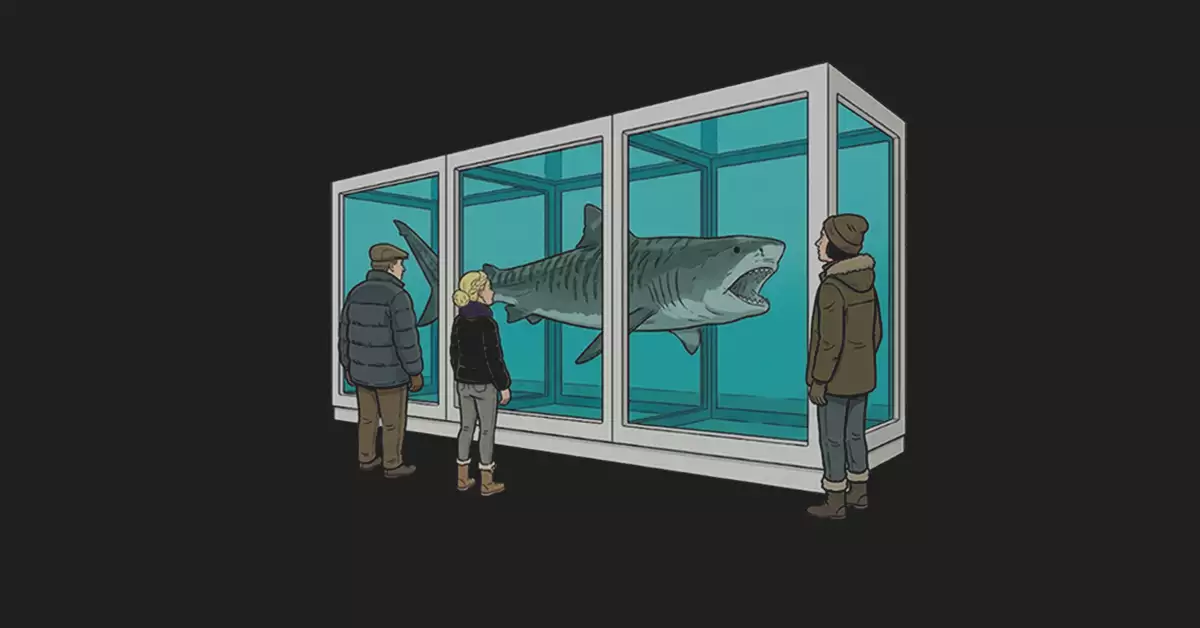
Damien Hirst’s Shark Inside The Physical Impossibility of Death in the Mind of Someone Living and the uneasy alliance between mortality and the art market There is something almost soothing about a dead shark. It cannot lunge. The teeth, so perfectly engineered for violence, stay where they are. The water around it — formaldehyde, not … Read more
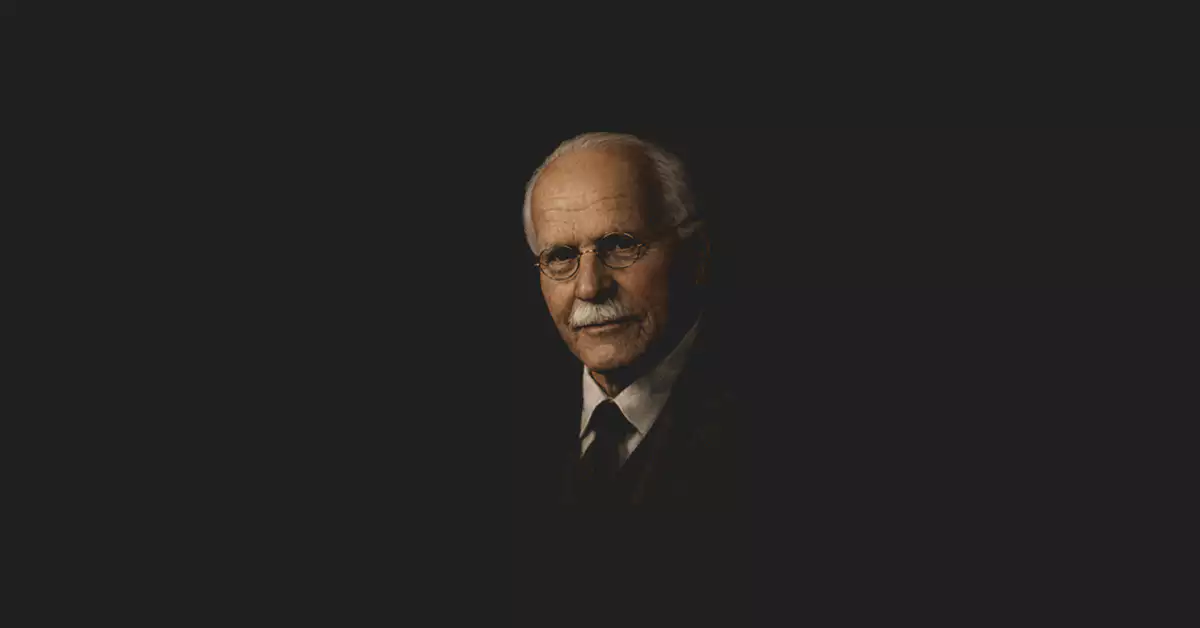
Carl Gustav Jung On archetypes, the shadow, and individuation — and the unsettling reality beneath the familiar terms There is a particular kind of knowledge that arrives not when you seek it but when you have stopped. Not in the cessation of effort, exactly, but in the moment when the machinery of deliberate thought idles … Read more

Marshall McLuhan Light Without Content, Form Without Neutrality: How McLuhan Overturned the Logic of Communication When raindrops gather on a windowpane, the world outside exists twice. Once in its physical form, and once again across the surface of the glass. That second world resembles the first, but never entirely. The falling streams distort its contours; … Read more
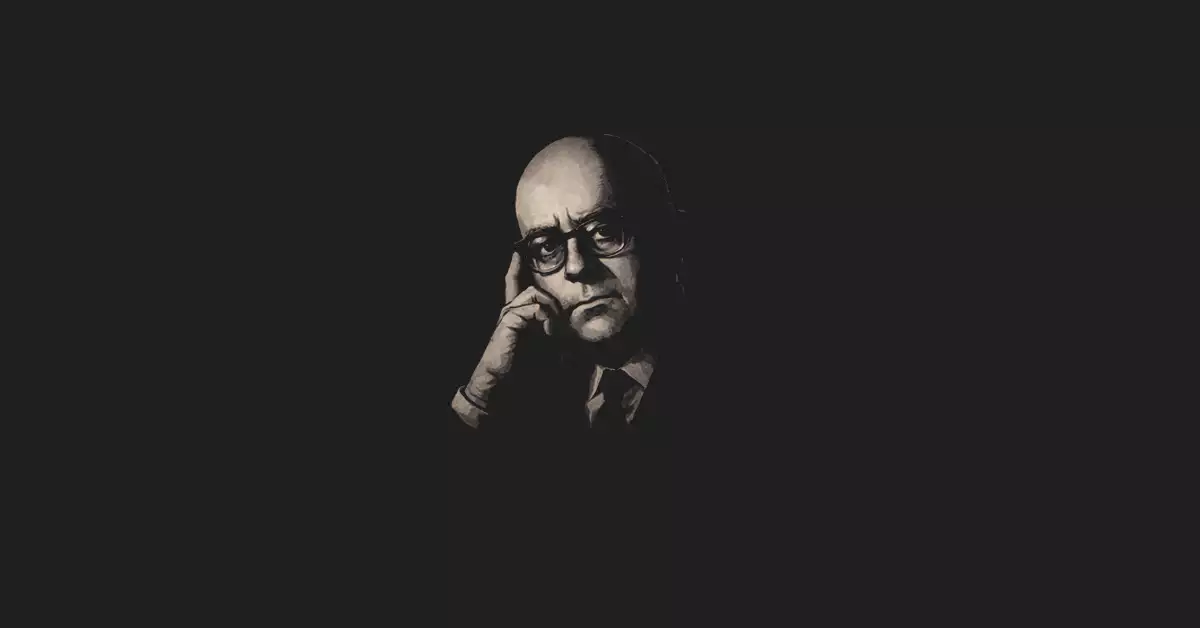
Theodor W. Adorno After the Last Note: How Adorno Found Truth in Fracture, Not Resolution Imagine the air of a darkened concert hall, not yet fully settled. Even after the final note has vanished, the audience does not immediately applaud. Something lingers—not in the ear, but on the surface of consciousness. That silence is not … Read more
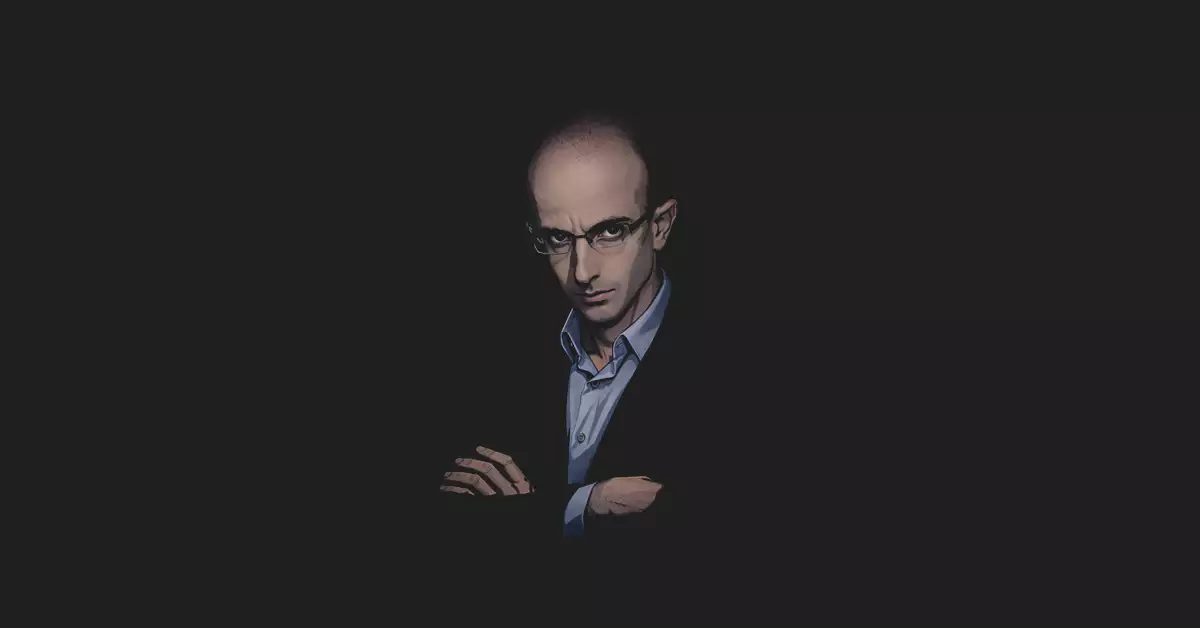
Yuval Noah Harari When History Becomes Too Legible: Harari and the Mirage of Seamless Understanding Across a surface of time polished to the smoothness of glass, the past no longer appears as fragments but glides as a single, continuous flow. Within that current, wars, religions, empires—even human suffering itself—are reduced to moments of transition. Following … Read more
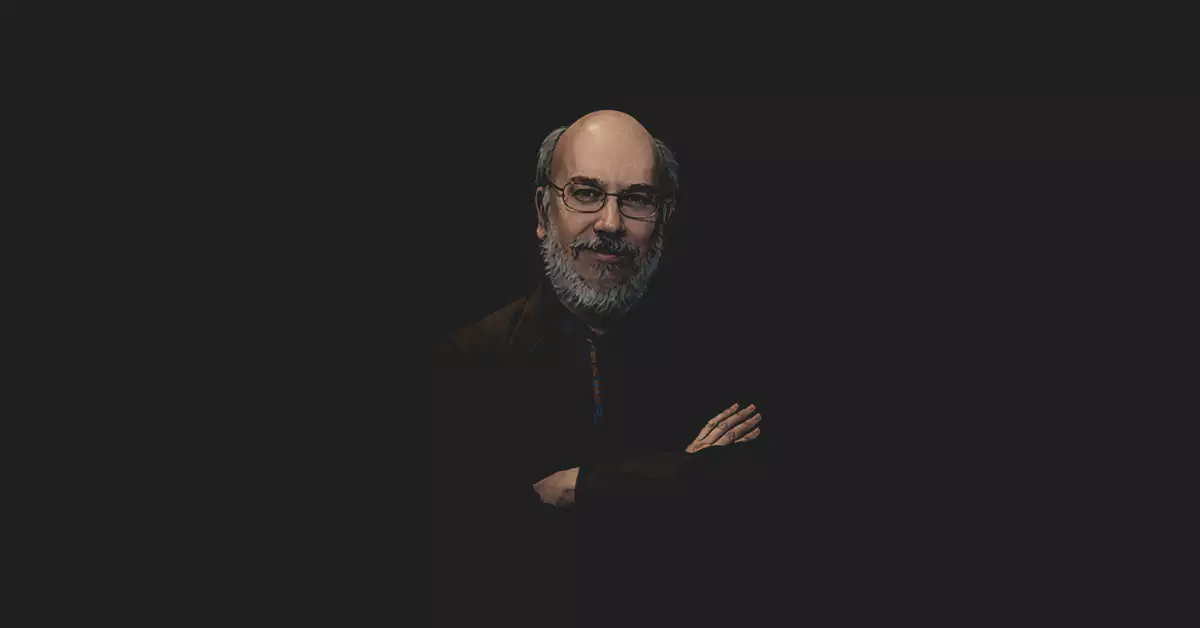
Henry Jenkins When Audiences Stop Watching and Start Rewriting: Jenkins on the Flow of Cultural Power The screen is not dark. It is, rather, saturated with an excess of light. Windows overlap one another; videos play even as they seem to pause; comments flow less like text than like a kind of undulating waveform. Across … Read more

K-pop Fandom and the Organization of Emotion The Light Sticks at the Airport: How K-pop Fandom Organizes Feeling into Rhythm The glass walls of an airport always reflect time in two layers. On one side lingers the metallic fatigue of a plane that has just arrived; on the other, the faces of those waiting for … Read more
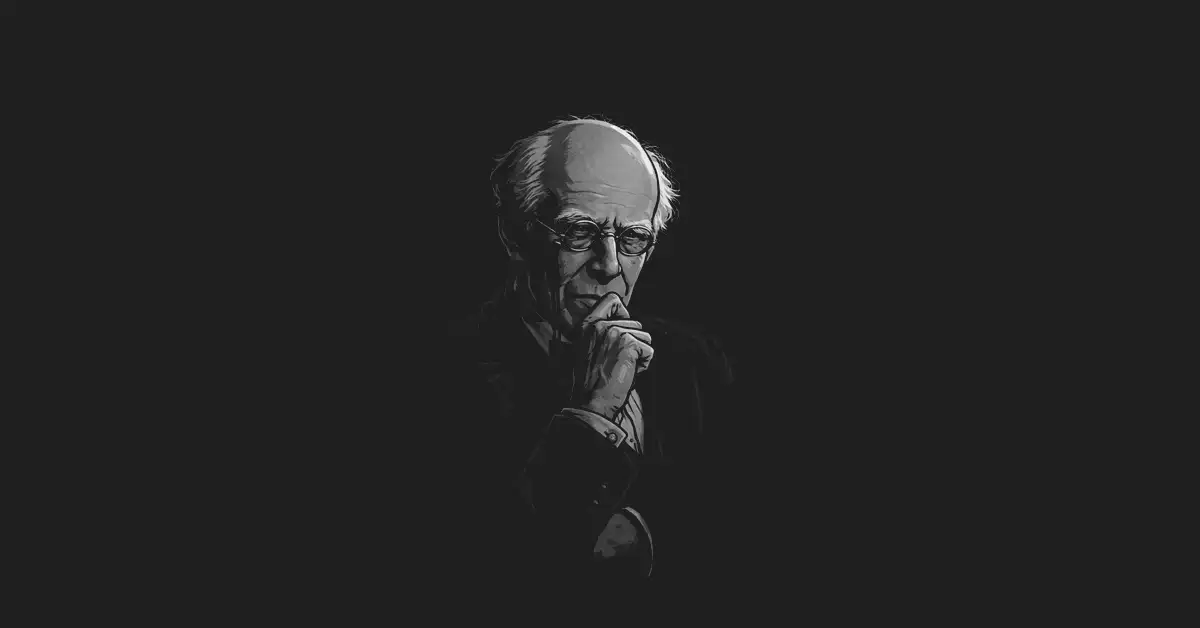
Konstantin Stanislavski The Empty Stage Is Not Empty: Stanislavski and the Logic of Action as Emotional Premise Nothing has happened yet on stage. The actor is standing, but that standing does not yet belong to a character; it is merely the physical equilibrium of a human body. The light falls flat across the face, and … Read more